
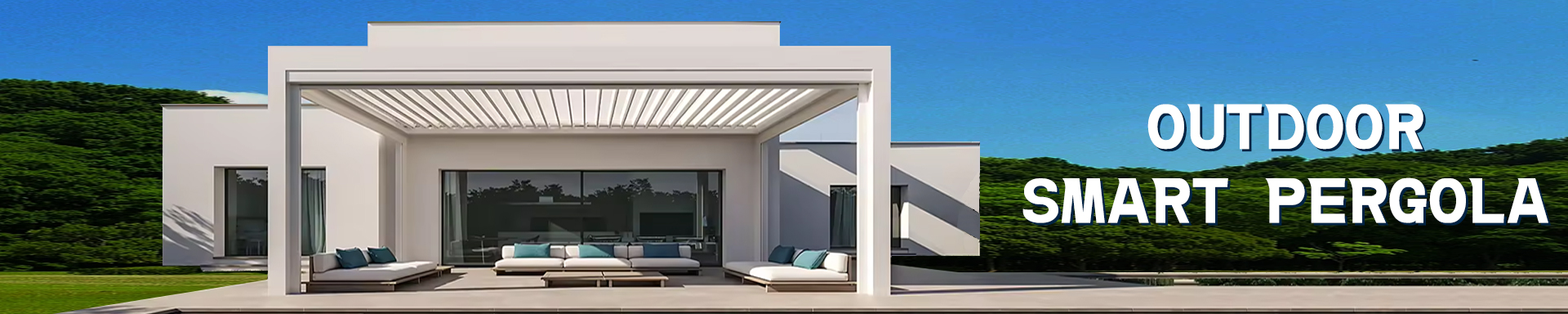
1. Assessing Your Outdoor Space
Before choosing the right louvered pergola for your home, the first step is to carefully evaluate your outdoor area. A well-assessed space ensures that your pergola not only fits perfectly but also enhances usability, sunlight control, and overall aesthetics. Skipping this step often leads to a cramped layout or uneven sun exposure, which can reduce the enjoyment of your outdoor space.
1.1 Measuring Your Patio or Garden Area
Start by taking precise measurements of your patio, deck, or garden. Use a tape measure to record:
-
Width and length of the area – Measure at multiple points to account for uneven surfaces.
-
Height clearance – Make sure there’s enough room for pergola posts and any furniture you plan to use underneath.
-
Slope and drainage – Identify areas that may collect water to avoid placing the pergola there.
For example, in one recent installation in a suburban backyard, a homeowner had a 12x16 ft patio. By measuring the height clearance of 9 ft and factoring in existing planters, they could select a custom aluminum pergola that fit seamlessly without blocking sightlines or pathways.
1.2 Identifying Sunlight and Shade Patterns
Understanding how sunlight moves across your space throughout the day is crucial for deciding louver orientation and adjustment type. Here’s how to do it:
-
Track sunlight – Observe your patio at morning, noon, and evening over at least one week.
-
Note shaded areas – Mark spots shaded by trees, fences, or neighboring buildings.
-
Plan for seasonal changes – Sun angles vary; consider where maximum shade will be needed in summer and how winter sun might penetrate.
This step allows you to determine whether manual adjustment suffices or if you need a motorized aluminum pergola for effortless sun and rain control.
1.3 Considering Existing Landscaping and Layout
Next, analyze the current layout and features of your outdoor space. Pay attention to:
-
Garden beds, trees, and planters – Ensure pergola posts don’t disturb roots or irrigation systems.
-
Walkways and traffic flow – Avoid obstructing pathways or the main patio entrance.
-
Existing outdoor furniture and fixtures – Think about seating arrangements and whether the pergola can accommodate them comfortably.
Here’s a quick comparison of space types for pergola placement:
| Space Type | Ideal Pergola Size | Notes |
|---|---|---|
| Small Patio (≤120 sq ft) | 8x10 ft | Consider compact louvered designs; maximize adjustable shade |
| Medium Backyard (121–250 sq ft) | 12x16 ft | Aluminum or motorized options fit well without overcrowding |
| Large Garden (>250 sq ft) | 16x24 ft | Allows for multi-section setups; ideal for entertaining |
For instance, a customer with a medium backyard installed a modern gazebo adjacent to flower beds. By carefully mapping existing landscaping, they maintained walking space and still achieved a shaded, stylish seating area.
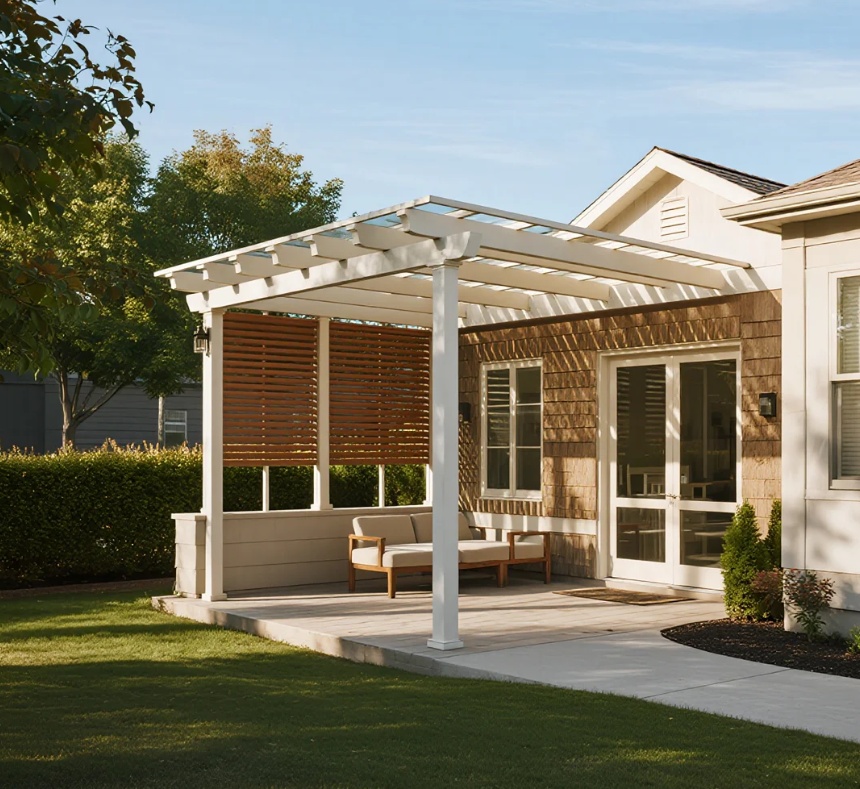
2. Selecting the Right Material
Choosing the right material is crucial to ensure your pergola lasts for years while maintaining both appearance and functionality. The material affects durability, maintenance, and how well the structure withstands weather conditions. By making an informed decision, you can avoid frequent repairs and achieve a high-end look that complements your home. The following sections break down the key considerations and comparisons to guide your choice.
2.1 Aluminum vs. Wood: Durability and Maintenance
Aluminum pergolas are lightweight, rust-resistant, and virtually maintenance-free, making them ideal for long-term use. In contrast, wood requires regular sealing, staining, and treatment to prevent rot, warping, and insect damage. Aluminum also handles extreme weather better, including heavy rain and strong UV exposure, whereas untreated wood can deteriorate within a few seasons.
| Material | Lifespan | Maintenance Frequency | Weather Resistance | Cost |
|---|---|---|---|---|
| Aluminum | 20–30 years | Minimal | Excellent | Medium-High |
| Wood (Cedar/Redwood) | 10–15 years | Every 1–2 years | Moderate | Medium |
For modern backyards or homes near coastal areas, Aluminum pergola house options offer a sleek look without the hassle of ongoing maintenance, ensuring your outdoor space stays stylish year-round.
2.2 Powder-Coated Finishes and Weather Resistance
Powder-coated aluminum adds another layer of protection, preventing fading, chipping, and corrosion. This finish is especially useful in areas with high humidity or salty air, as it maintains color and structural integrity far longer than untreated materials. When comparing coatings, look for UV-resistant, scratch-proof finishes to reduce maintenance and extend the lifespan of your pergola.
-
Inspect manufacturer specifications for corrosion resistance ratings.
-
Confirm UV stability for vibrant color retention.
-
Check warranty coverage for both structure and finish.
Choosing a powder-coated pergola ensures minimal upkeep while retaining a premium look, which is especially important for commercial patios or high-traffic outdoor areas.
2.3 Matching Pergola Material with Home Exterior
The visual harmony between your pergola and home exterior impacts overall curb appeal. Aluminum’s clean lines and contemporary colors complement modern or minimalist homes, while natural wood adds warmth and a rustic charm. Consider these steps when integrating materials:
-
Identify primary exterior colors and textures.
-
Choose a pergola finish that complements siding, stone, or deck materials.
-
Evaluate contrast versus blending for visual impact.
In many installations, homeowners pair a neutral-colored aluminum pergola with wood accents on decking or planters, achieving a balanced look without compromising durability. Proper material selection ensures your modern louvered pergola fits seamlessly into your home environment while maximizing longevity and visual appeal.
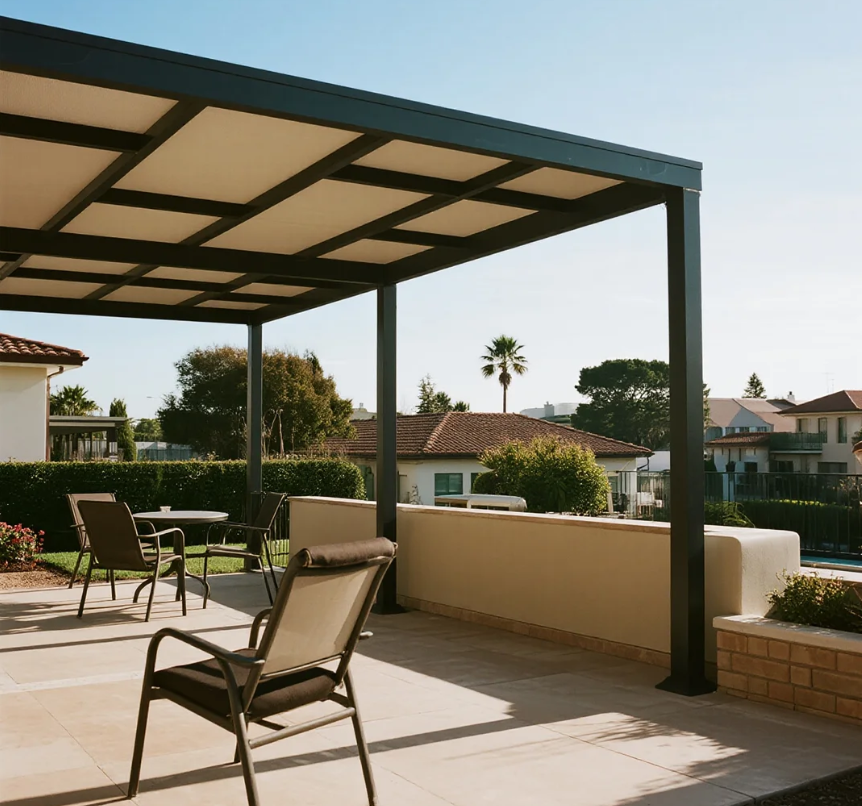
3. Choosing the Louver System
Selecting the right louver system determines how effectively your pergola adapts to sunlight, rain, and changing weather conditions. A well-chosen system enhances comfort, outdoor usability, and longevity, while poor selection can lead to frustration with manual adjustments or uneven protection. Understanding the differences between manual and motorized systems, as well as optimal louver angles, is key to maximizing your outdoor experience.
3.1 Manual vs. Motorized Louvers
Manual louvers are cost-effective and require minimal technology, allowing you to adjust the slats by hand. Motorized systems, in contrast, use electric motors for effortless operation with a remote or smartphone app. Motorized options are ideal for larger patios or homeowners who prioritize convenience and frequent adjustments.
-
Determine the size of the pergola; larger structures benefit more from motorized controls.
-
Evaluate power availability and wiring needs.
-
Confirm durability ratings for the motor mechanism to ensure long-term reliability.
For instance, a customer installed a motorized aluminum pergola over a 15x20 ft patio. The system allowed them to adjust louvers multiple times a day in response to sunlight and sudden rain, without stepping outside or manual effort.
3.2 Louver Angle Options for Sun and Rain Control
Adjustable louver angles provide precise control over sunlight and ventilation. Most systems offer tilt ranges between 0° and 150°, enabling you to block harsh midday sun while allowing morning or evening light. Closed louvers protect against rain while still maintaining airflow underneath.
| Feature | Recommended Range | Notes |
|---|---|---|
| Sun Control | 20°–120° | Fine-tune to prevent glare on outdoor seating |
| Rain Protection | 0°–150° | Full closure ensures dry space during storms |
| Ventilation | 10°–60° | Allows airflow without compromising shade |
Choosing the right angles ensures maximum comfort, energy efficiency, and usability, especially for pergolas used for outdoor dining or entertaining.
3.3 Ease of Operation and Maintenance Considerations
Ease of use and upkeep is critical for long-term satisfaction. Motorized louvers typically require minimal maintenance, such as occasional lubrication and inspection of the drive system. Manual systems need periodic tightening of adjustment screws and cleaning to prevent debris buildup.
-
Inspect louver mechanisms every 6–12 months.
-
Clean aluminum slats with mild detergent and water to remove dust or pollen.
-
Check motorized components for loose wires or wear signs.
By choosing the right system and performing routine care, your modern louvered pergola will operate smoothly for years, providing reliable sun and rain protection without hassle.
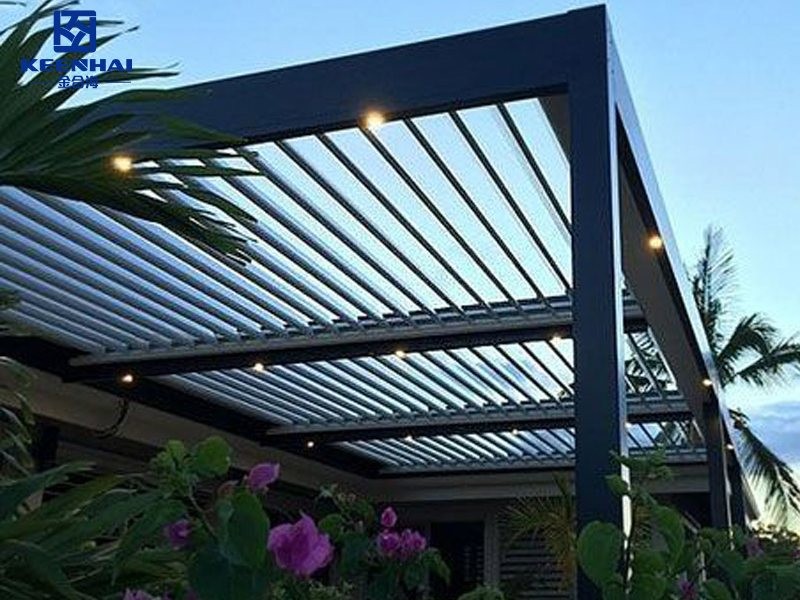
4. Style and Design Considerations
The style and design of your pergola influence both aesthetics and how well it integrates with your outdoor living space. Choosing the right design ensures your structure complements your home while providing functional shade and shelter. Factors such as architectural style, custom dimensions, and furniture placement play a key role in creating a cohesive, inviting environment.
4.1 Modern vs. Traditional Pergola Designs
Modern pergolas feature clean lines, minimalist profiles, and often integrate aluminum or metal frameworks, ideal for contemporary homes. Traditional designs use classic wood tones, decorative posts, and lattice detailing, creating a rustic or vintage charm. Selecting between modern and traditional depends on your home exterior, desired atmosphere, and maintenance willingness.
-
Examine the architectural style of your home to ensure harmony.
-
Consider roofline compatibility to avoid awkward gaps or shadow issues.
-
Decide if you prefer sleek open louvers or more ornate, decorative beams.
For urban backyards with limited space, a compact Aluminum Modern Gazebo can offer a contemporary alternative that maximizes both shade and style while requiring minimal upkeep.
4.2 Custom Colors, Shapes, and Dimensions
Customization allows your pergola to match the exact needs of your outdoor space. Available options include custom widths, depths, slat spacing, and shapes such as square, rectangular, or L-shaped configurations. Color choices range from neutral powder-coated finishes to bold, vibrant shades, ensuring coordination with siding, decking, and garden features.
| Customization | Options | Notes |
|---|---|---|
| Width & Depth | 8–24 ft | Adjust based on seating and pathway requirements |
| Shape | Square, Rectangle, L-shaped | Choose to maximize usable space or fit corners |
| Color | Neutral, Bold, Custom | Powder-coated aluminum ensures long-lasting finish |
Custom dimensions and finishes allow homeowners to achieve a tailored, high-end look while maintaining structural integrity and low maintenance.
4.3 Integrating Pergola with Outdoor Furniture and Features
Proper integration ensures the pergola complements furniture, planters, and other landscape elements. Consider these steps:
-
Map the layout of existing seating, dining tables, or loungers.
-
Align pergola posts with pathways to prevent obstruction.
-
Evaluate vertical clearance for hanging lights, fans, or heaters.
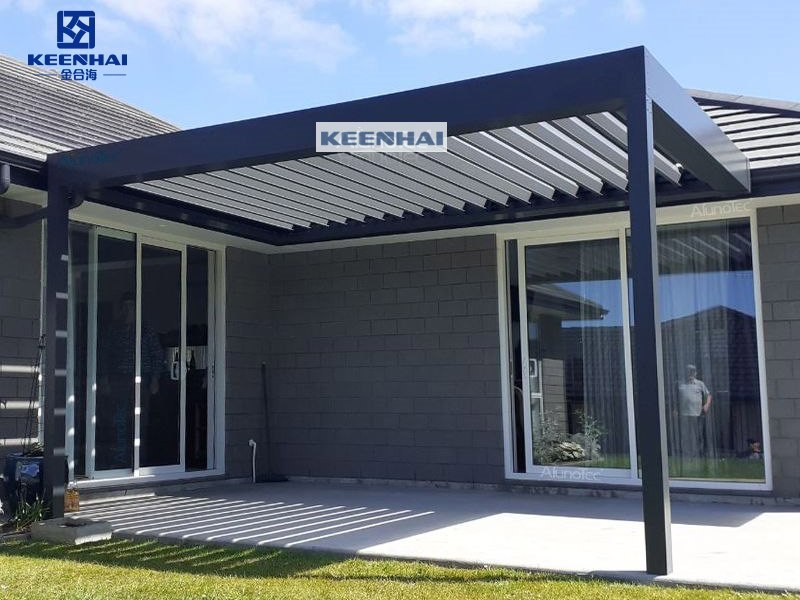
By planning placement carefully, your modern louvered pergola becomes a functional centerpiece rather than an afterthought. Homeowners often pair neutral-colored aluminum louvers with teak furniture and potted plants to create an inviting, shaded retreat that enhances both usability and aesthetic appeal.
5. Budgeting and Cost Planning
Budgeting effectively is essential to ensure your pergola investment meets both functional and aesthetic goals without unexpected expenses. Understanding the cost differences between prefabricated and custom solutions, as well as factoring in installation and long-term maintenance, allows homeowners to make informed decisions. This planning also highlights the value a well-chosen pergola adds to your property over time.
5.1 Comparing Prefabricated vs. Custom Options
Prefabricated pergolas are generally more affordable and faster to install, as components come pre-cut and assembled on-site. Custom options, however, provide flexibility in size, materials, and design, allowing a perfect fit for unique outdoor spaces. For example, a standard aluminum louvered pergola kit might cost 20–40% less than a fully customized structure, but may require compromises on dimensions or finish.
| Option | Typical Cost Range | Pros | Cons |
|---|---|---|---|
| Prefabricated | $2,500–$6,000 | Quick installation, lower upfront cost | Limited sizes, fewer finishes |
| Custom | $5,000–$15,000+ | Tailored design, full material choice | Higher cost, longer lead time |
For homeowners seeking high-end aesthetics with precise fit, a custom Aluminum pergola house provides a long-lasting solution that balances style and function.
5.2 Estimating Installation and Maintenance Costs
Installation expenses depend on pergola size, complexity, and ground conditions. For motorized systems, electrical wiring and motor setup add to costs. Typical installation steps include:
-
Site preparation: clearing debris and leveling ground.
-
Post placement and anchoring with concrete or mounts.
-
Louver assembly and adjustment, including testing motorized components.
Maintenance costs vary by material: aluminum requires minimal upkeep, while wood needs regular sealing or staining. Planning ahead ensures your pergola remains functional and visually appealing without surprise expenses.
5.3 Long-Term Value and Return on Investment
Investing in a durable, well-designed pergola increases property value and extends usable outdoor living space. Aluminum structures, especially louvered models, offer decades of low-maintenance enjoyment, reducing replacement and repair costs compared with wood alternatives. Properly integrated pergolas enhance entertainment areas, attract buyers, and improve energy efficiency by providing shade to adjacent windows.
By weighing upfront costs against durability, maintenance, and usability, homeowners can ensure their louvered pergola delivers strong long-term ROI while elevating both comfort and style in the outdoor environment.